


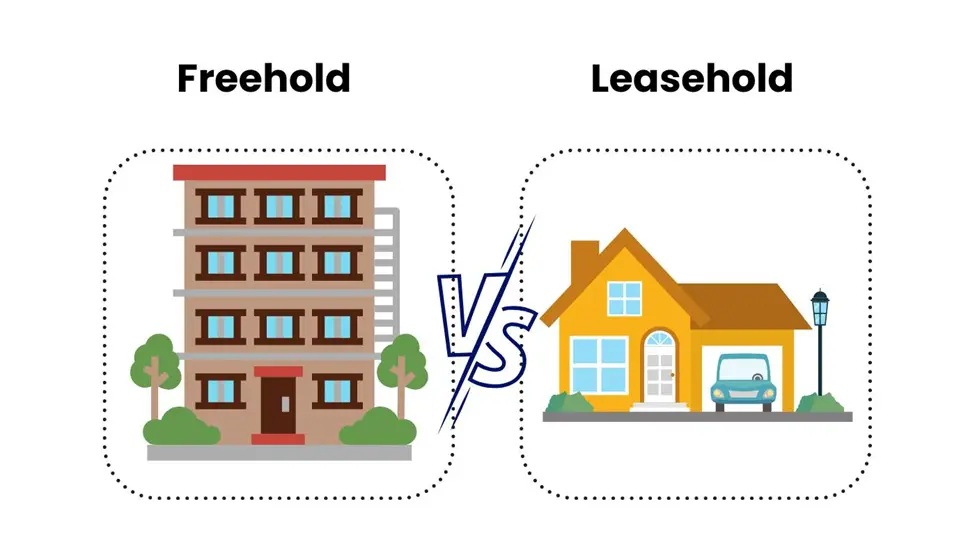
Buying a property is a significant financial decision, and understanding exactly what you are purchasing is just as important as finding the right location or type of home. One of the first distinctions buyers need to understand is the difference between freehold and leasehold property. The ownership structure can affect your rights, ongoing costs, responsibilities and even the future marketability of the property.
For buyers considering homes in Bromley and Chislehurst, understanding the local market can be particularly useful when comparing different types of ownership. Hunters bromley chislehurst is the estate agent locally operated, and local knowledge can help buyers assess how tenure fits into the wider property decision.
The terminology can initially seem rather arcane, particularly for first-time buyers. In straightforward terms, a freeholder generally owns the property and the land it stands on, while a leaseholder owns the right to occupy and use a property for a defined period under the terms of a lease. However, there are several important nuances behind this basic distinction.
What is a freehold property?
Freehold ownership generally means owning both the building and the land on which it stands indefinitely, subject to applicable laws, covenants and other restrictions.
For example, if you purchase a typical freehold house, you will normally own the house itself as well as the garden and the land immediately associated with it. There is no fixed expiry date on your ownership. You can generally sell the property, subject to the usual legal and contractual requirements, without needing to extend a lease.
One of the principal attractions of freehold ownership is autonomy. The owner is usually responsible for maintaining the property, arranging buildings insurance where appropriate and dealing with repairs. There may still be obligations imposed by a mortgage, restrictive covenant, planning conditions or other legal arrangements, but there is no superior landlord managing the property simply because it is freehold.
Freehold properties can therefore be attractive to buyers who want greater control and a straightforward ownership structure.
What is a leasehold property?
Leasehold ownership works differently. Instead of owning the property indefinitely, the purchaser acquires a lease that grants the right to occupy the property for a specified period.
A lease is a legally binding document setting out the rights and obligations of the leaseholder and freeholder. It can contain provisions relating to repairs, alterations, insurance, communal areas, service charges, subletting and the use of the property.
Leasehold is particularly common with flats. A block may be owned by a freeholder, while individual flats are sold to purchasers on long leases.
The length of the lease is crucial. A lease might originally have been granted for 99, 125, 250 or even 999 years, but the remaining term reduces over time. This means two apparently similar flats can have markedly different ownership implications depending on their unexpired lease terms.
The key difference between freehold and leasehold
The fundamental distinction is how ownership is structured and for how long the buyer has rights over the property.
With freehold ownership, the buyer normally owns the property and associated land indefinitely. With leasehold ownership, the buyer purchases a time-limited legal interest in the property.
This distinction can have practical consequences.
A freeholder generally has direct responsibility for the building and land. A leaseholder may instead share responsibility for communal areas and contribute towards the costs of maintaining the wider building through service charges.
A freehold owner usually does not need to worry about the lease expiring. A leaseholder does.
For this reason, the tenure should form part of the buyer’s initial assessment rather than being treated as an administrative detail discovered late in the conveyancing process.
Ownership rights and responsibilities
Ownership does not simply mean having a set of unrestricted privileges. Both freehold and leasehold ownership can involve legal obligations.
A freeholder may need to comply with restrictive covenants, planning requirements, environmental regulations and other legal constraints. For instance, a covenant might restrict certain alterations or uses of the property.
Leaseholders have an additional layer of contractual obligations because the lease governs their occupation. The lease may dictate what alterations can be made, whether pets are permitted, how communal areas are used and who is responsible for particular repairs.
Some leases can be highly detailed. Buyers should therefore avoid assuming that every leasehold property operates according to the same rules.
Lease length and why it matters
For leasehold buyers, the remaining lease term is one of the most important pieces of information to establish.
A long lease can make a property comparatively straightforward to finance and sell, whereas a shorter lease can introduce additional complexity. Mortgage lenders have their own criteria concerning lease length, and requirements can vary between lenders and circumstances.
The issue becomes particularly significant as a lease approaches certain thresholds. A diminishing lease can affect buyer confidence, mortgageability and valuation. It may also mean that the purchaser needs to consider the potential cost and process of extending the lease.
Consequently, buyers should establish the unexpired lease term before making assumptions about the property’s overall value.
A property with a shorter lease may appear inexpensive compared with similar homes, but the apparent bargain could be accompanied by a substantial future liability.
Ground rent, service charges and other costs
Leasehold properties can involve ongoing charges that do not typically arise in the same form for ordinary freehold houses.
Historically, leases commonly included ground rent payable to the freeholder. The rules around ground rent for new leases have changed significantly in England, and buyers should consider the specific terms applying to the property and when the lease was granted.
Service charges are another important consideration. These can contribute towards communal maintenance, cleaning, repairs, building insurance, management and other expenditure associated with a block or development.
Service charges can fluctuate. Major works, such as roof replacement, external refurbishment or lift repairs, may generate significant additional expenditure.
A buyer should therefore examine not only the current service charge but also the property’s financial and management history where available.
Maintenance and repair obligations
One misconception about leasehold ownership is that the leaseholder is never responsible for repairs. In reality, responsibility depends on the lease.
A leaseholder may be responsible for maintaining the interior of their flat, while the freeholder or management company may be responsible for the roof, external walls, communal corridors and other shared elements.
The precise division can vary considerably.
Before purchasing, buyers should establish who is responsible for windows, balconies, plumbing, structural elements, communal spaces and major works. The lease should be read carefully, because seemingly minor clauses can have significant practical consequences.
Freehold ownership generally places more direct responsibility on the homeowner, but it also provides greater control over how maintenance is organised.
Selling a freehold versus leasehold property
Both freehold and leasehold properties can be sold, but leasehold transactions can involve additional documentation and enquiries.
When selling a leasehold property, the buyer’s solicitor will usually want information about the lease, service charges, insurance, management arrangements and any planned major works. Delays can occur if the required information is not readily available from the managing agent or freeholder.
The remaining lease term can also influence buyer demand. A lengthy lease is generally easier to explain to prospective purchasers than one approaching a point where extension considerations become more pressing.
For sellers, having relevant paperwork organised before marketing can make the transaction more efficient.
Buying a leasehold property: checks to make
Anyone considering a leasehold property should undertake careful due diligence.
Important questions include:
- How many years remain on the lease?
- What are the current service charges?
- Are there any anticipated increases?
- Is there a reserve or sinking fund?
- Are major works planned?
- Who manages the building?
- What does the lease say about alterations?
- Are there restrictions on subletting?
- Are there restrictions concerning pets?
- What insurance arrangements are in place?
- Are there disputes involving the freeholder or management company?
- Are there arrears or outstanding charges?
Buyers should also ask their conveyancer to explain any clauses they do not understand. A lease is a legal document, and an apparently innocuous provision can have implications years after completion.
Buying a freehold property: points to consider
Freehold ownership is often perceived as the simpler option, but buyers should still conduct appropriate checks.
The title should be examined for restrictive covenants, rights of way, access arrangements, shared driveways and other encumbrances. Some newer developments also contain estate charges or management arrangements affecting freehold houses.
This is an important distinction. A property can be freehold while still being subject to obligations to contribute towards the maintenance of communal infrastructure.
Buyers should therefore focus on the actual legal title and associated documentation rather than relying solely on the label “freehold”.
How leasehold status can affect property value
Tenure can influence the perceived attractiveness and marketability of a property.
A flat with a long lease, reasonable service charges and a well-managed building may be highly desirable. Conversely, a similar flat with a short lease, escalating costs or substantial planned works may attract a narrower pool of buyers.
This can affect valuation.
The condition and location of the property remain important, but tenure adds another layer to the equation. Buyers and sellers should consider how the ownership structure compares with competing properties in the same area.
Understanding property market insights in bromley chislehurst can help put these differences into context, particularly when comparing flats with houses or newer developments with established residential stock.
Flats, houses and common ownership structures
Leasehold is particularly prevalent among flats because communal buildings require an ownership and management framework.
For example, one freeholder may own the building, while separate leaseholders own individual flats. A management company may administer communal services and collect service charges.
Houses are more commonly freehold, although leasehold houses exist and certain newer developments can feature more complicated ownership arrangements.
There are also properties involving shared freehold arrangements, particularly some converted buildings. In such cases, individual flat owners may collectively own the freehold while retaining leases for their respective flats.
The terminology can become confusing, which is why buyers should establish precisely what legal interest they are purchasing.
Leasehold reforms and changing rules
Leasehold law and regulation in England has undergone significant change in recent years, with reforms intended to address concerns around leasehold ownership, ground rents, transparency and consumer protection.
However, the rules applicable to a particular property depend on factors such as when the lease was granted, the type of property and the relevant legislation in force.
This means buyers should be cautious about relying on generic online explanations. A statement that applies to a newly created lease may not apply in precisely the same way to an older lease.
Where substantial financial or legal consequences are involved, professional legal advice remains important.
Which type of property is right for you?
There is no universal answer.
Freehold ownership may appeal to someone who values autonomy, wants to own the land associated with their home and prefers to avoid lease-related administration.
Leasehold ownership can still be entirely suitable, particularly for buyers seeking a flat in a well-managed development. A long lease, transparent charges and competent management can make the arrangement relatively straightforward.
The decision should therefore be based on the specific property rather than the tenure label alone.
A well-maintained leasehold flat with a long lease and sensible service charges may be a better purchase than a poorly maintained freehold house with significant structural issues.
The importance of understanding the title before buying
Property advertisements can provide useful information, but they rarely contain every detail required for an informed purchasing decision.
Before committing to a property, buyers should establish the tenure, review the relevant legal documentation and understand their ongoing financial obligations.
For leasehold properties, this includes examining the lease and associated management information. For freehold properties, it includes checking the title and any covenants or estate obligations.
Mortgage considerations should also be assessed early. A property that looks affordable on the purchase price alone may have additional recurring or future costs that change the overall financial picture.
How local market knowledge can help buyers
The distinction between freehold and leasehold is a national legal concept, but its practical implications are experienced within local property markets.
Different neighbourhoods can contain very different proportions of houses, purpose-built flats, converted properties and modern developments. Buyer preferences can consequently vary between streets and property types.
Local market knowledge can help purchasers compare properties on a like-for-like basis. Instead of looking only at asking prices, buyers can consider tenure, lease length, service charges, condition, location and likely resale appeal together.
This broader assessment is particularly useful when two properties appear similar but have materially different ownership structures.
Final considerations for property buyers
The difference between freehold and leasehold property ultimately comes down to the nature and duration of ownership.
Freehold generally means owning the property and land indefinitely, while leasehold means owning a contractual interest in the property for the remaining term of a lease. The distinction affects responsibilities, costs, legal rights and potentially future saleability.
For freehold buyers, attention should be paid to title restrictions, covenants and maintenance obligations. For leasehold buyers, the lease length, service charges, management arrangements and restrictions deserve particularly close scrutiny.
Neither tenure is automatically good or bad. The quality of the individual property, the terms governing ownership and the wider market all matter.
The most prudent approach is to understand exactly what is being purchased before proceeding. A property should be assessed not simply by its appearance or asking price, but by the legal framework behind the ownership, the costs associated with it and its prospects as a long-term asset.
If you want, the article can also be adapted into a more SEO-focused version with a meta title, meta description, FAQs and suggested internal-link opportunities.